Tankless · Repair & Maintenance
"It was fine, and now the water goes hot, then cold, then hot."
The Quality & Integrity You Expect
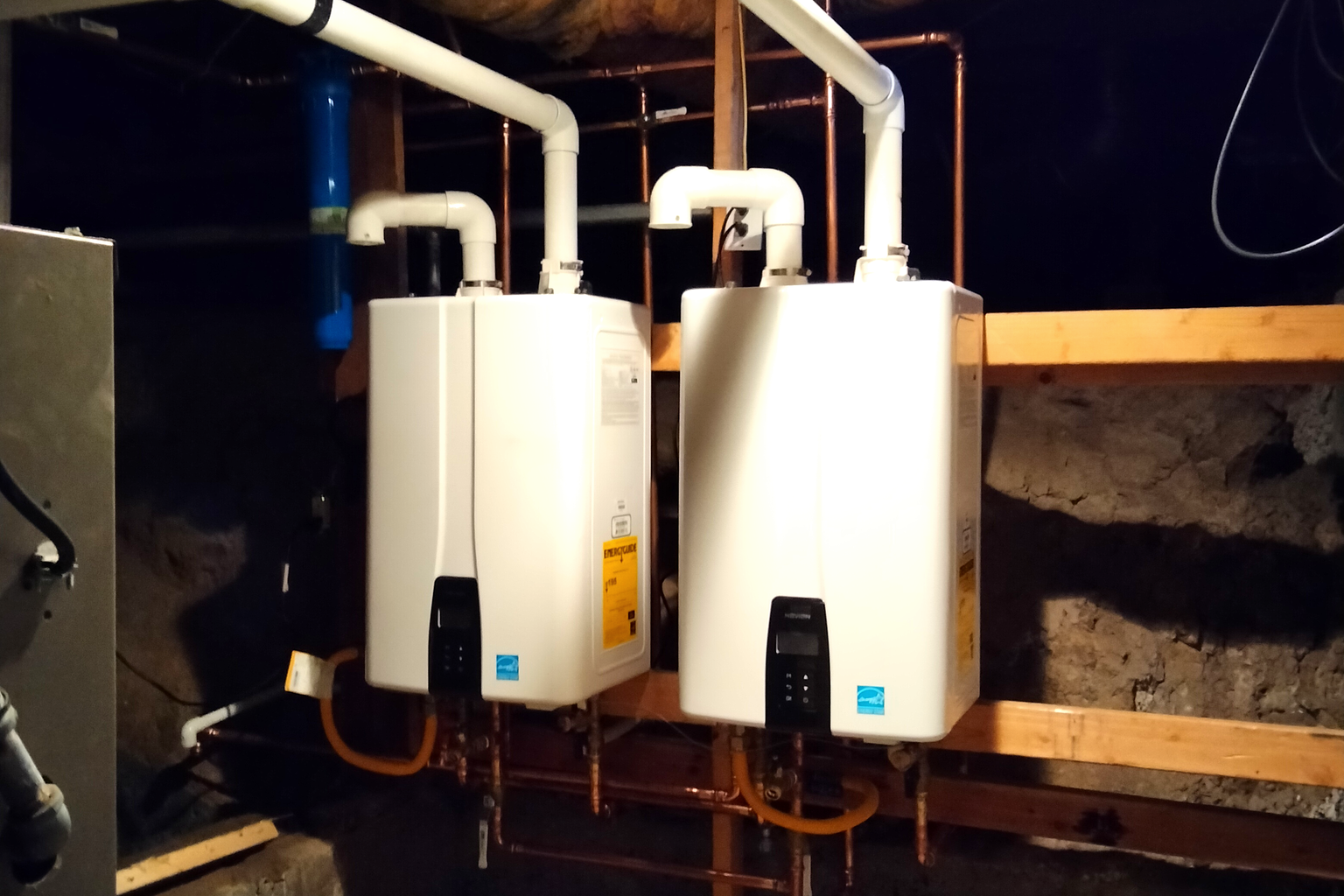
A tankless unit rarely dies all at once. It tells you first, in error codes, lukewarm water, a knock in the wall, or flow that quietly drops off. Most of what we see traces back to one thing our water does. We find the real cause instead of resetting the code and leaving.
Free written estimate, every job
What you're seeing
Call us if your tankless is doing any of this.
- An error code on the display. Ignition, flame, vent, or overheat codes each point to a specific cause. Write it down and read it to us.
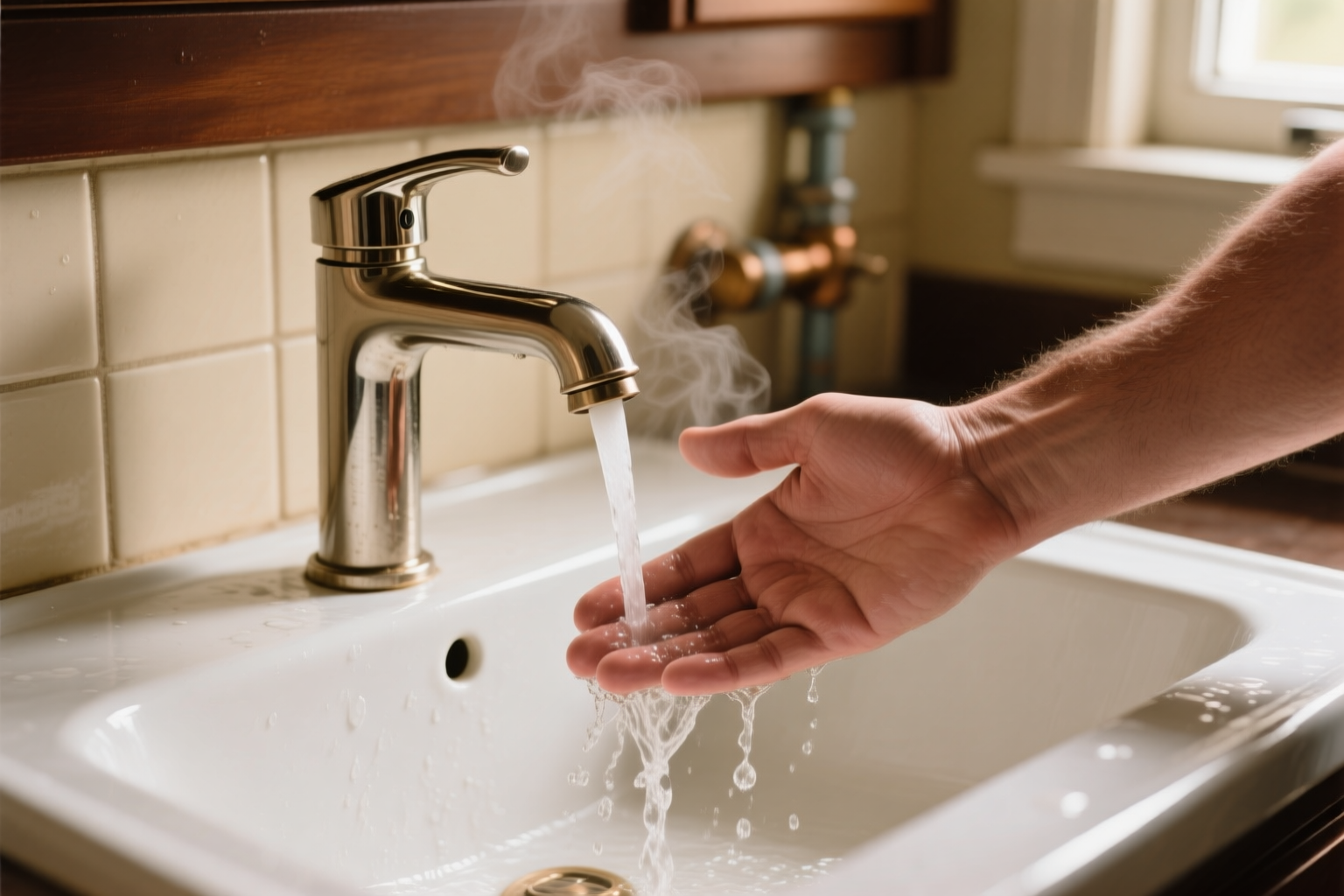
- Lukewarm water that won't get hot, or a temperature that wanders while the tap stays open. Often the first sign of scale on the heat exchanger.
- A cold-water sandwich getting worse, a slug of cold in the middle of a hot stream. Mild is normal; severe or worsening is worth a look.
- Kettling: a popping, rumbling, or knocking sound when it fires. That's mineral scale trapping water against the heat exchanger. It doesn't fix itself.
- Reduced flow at the tap, weaker hot water pressure than it used to have. Scale narrows the passages the same way it furs up a kettle.
Four of those five trace back to scale, which traces back to Sacramento's hard water. A unit showing two or more at once, more than 18 months since its last descaling, is scale until proven otherwise. The fix is usually a service, not a new unit.
How the visit goes
We diagnose before we quote. You watch.
-
Read the code, read the unit
We start with the fault code if there is one, then check flow, gas pressure, and the flame. A code is a starting point, not the whole story, so we confirm the cause on the unit rather than swapping the first part the code suggests.
-
Open it and look for scale
Because scale is behind most of what we see here, we inspect the heat exchanger directly. Measurable buildup well before the manual's own service date is exactly what we find on units kept on the generic annual schedule.
-
Descale or repair, and quote it plainly
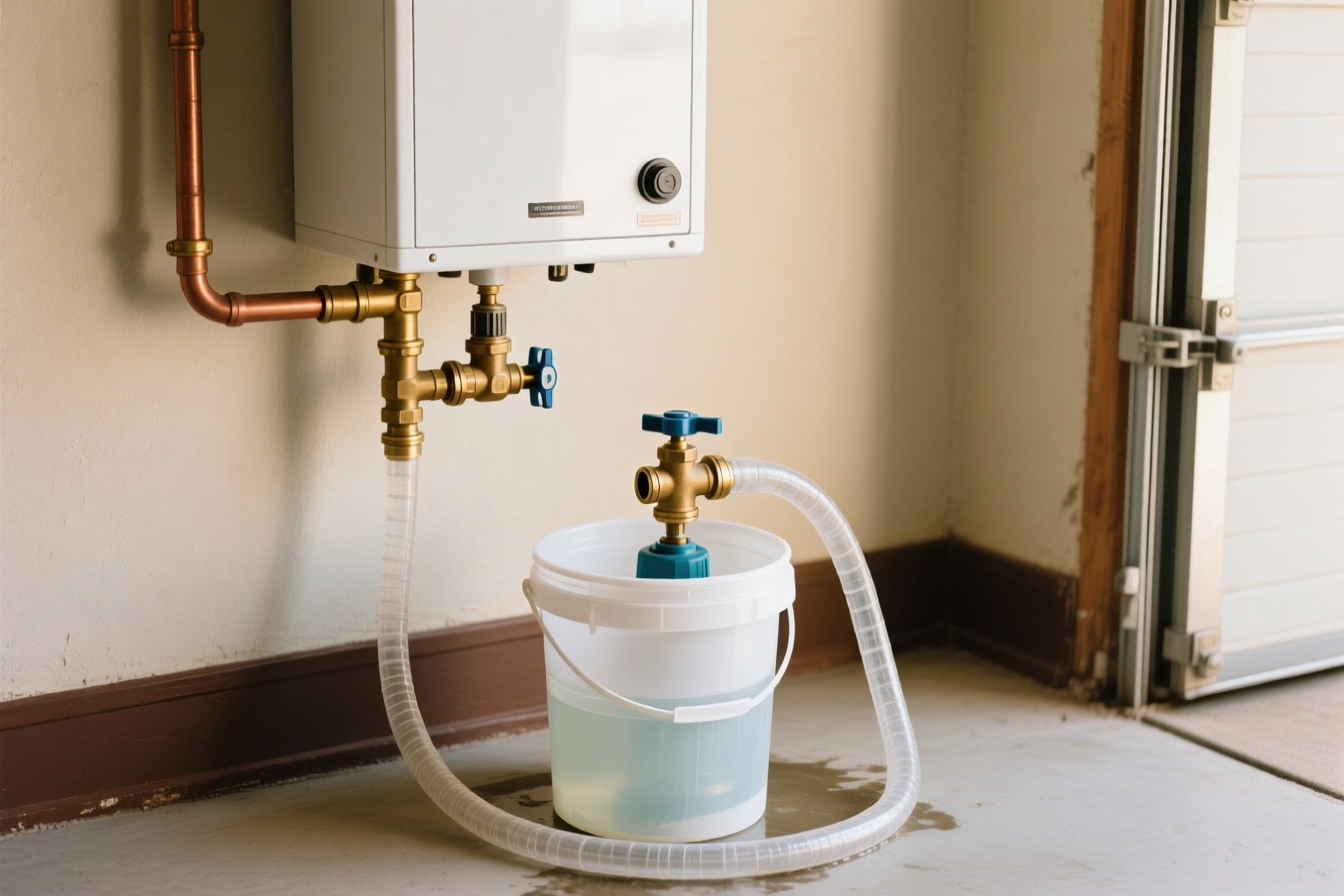
If it's scale, we descale, flush, and restore flow. If a sensor, fan, or board has actually failed, we quote that specific part. We quote whichever it is before we touch it. No mystery lump sum.
-
Set the next date
Before we leave, we set your next descaling date, 12 to 18 months out depending on your hot water use, and write it down. That single habit is the easiest way we've found to keep a household from sliding past the window again.
What it costs
Diagnose first. Quote the actual fix.
From there the number depends entirely on the cause. A descaling service, a flow or flame sensor, a fan, and a control board are very different repairs, so we won't pretend to quote them over the phone. We find the real cause, credit the diagnostic, and give you the actual fix, in writing, before we start.
Maintenance plan. If you'd rather stay ahead of all of this, our plan puts you on the correct descaling interval, documents each service for your warranty, and gives plan members priority scheduling. Ask about it on your visit.
Why call us for this
The difference is what we don't do.
- We don't just reset
- Clearing a fault code and leaving is treating the light on the dashboard, not the engine. We find what tripped it so it doesn't trip again next week.
- We open it up
- We look at the heat exchanger directly rather than guessing from a phone description. Two-thirds of what we see is scale, and you can't diagnose scale over the phone.
- Honest exceptions
- If a repair is throwing good money after bad on a unit near the end of its life, we say so. If a descaling will hold it for years, we say that too.
- Warranty kept intact
- We document every service, because most manufacturer warranties require documented maintenance to stay valid, descaling included.
From repair customers
The right cause, not the easy one.
Another company reset the code twice and charged me both times. DHS opened it, showed me the scale on the exchanger, descaled it, and it's run clean since. They put my next service on the calendar before they left.
Ours was making a popping sound and losing pressure. I assumed it was done. They descaled it instead of selling me a new one, and were honest that it had years left. The maintenance plan has been worth it just for the reminders.
Repair & maintenance questions
The things people ask when it's acting up.
A short slug of cold water in the middle of an otherwise hot stream, usually right after someone else just used hot water. Leftover hot in the pipe arrives first, then cold, then the newly heated water catches up. Mild is normal on tankless. Severe or worsening can point to a failing flow sensor or heavy scale, which is worth a look.
Write the code down and call us with it. Most codes point to a specific cause: ignition, flame sensing, a blocked vent, or scale-driven overheating. We can often narrow it over the phone and arrive with the right part. Don't keep power-cycling a unit that throws a gas or venting code.
Our estimates are free and in writing. What the repair itself costs depends on the cause: a descaling service, a flow or flame sensor, a fan, or a control board are very different numbers. We diagnose first and quote the actual fix, rather than guessing over the phone.
Every 12 to 18 months, tighter than the annual or gallons-based interval most manuals print, because our water is harder than the generic recommendation assumes. Heavier hot water use pushes toward 12 months; lighter use can stretch toward 18. We set the actual next date at the end of each visit.
If you plan to keep the unit, yes. The plan puts you on the correct descaling interval, documents each service to keep your manufacturer warranty valid, and catches early scale before it becomes a failure. Skipping descaling for years is gambling a twenty-year unit against a mineral layer that only gets harder to remove.