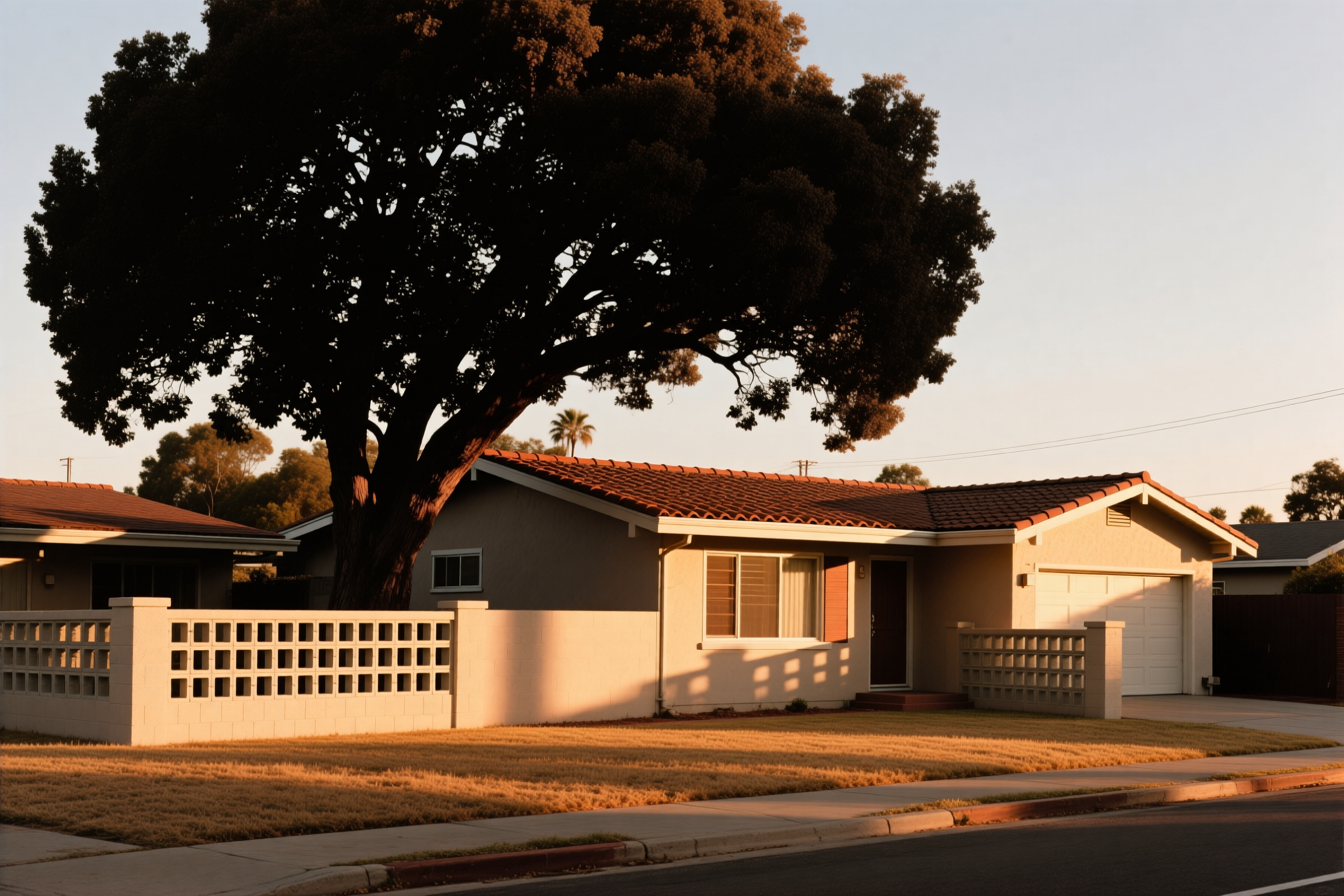
Most of Fair Oaks went up between roughly 1952 and 1968: single-story ranch construction on a
slab or a shallow crawlspace, low-pitched rooflines, and a driveway wide enough for one car and
whatever else the household has parked over the decades. The plumbing under these houses is
exactly as old as the houses. Sewer laterals run in clay pipe, with a shorter section of cast
iron closer to the foundation, and both materials carry a normal service life of fifty to
seventy years. A lot of Fair Oaks homes are now past that mark or closing in on it.
Cast iron fails from the inside out. Scale builds up and narrows the usable diameter years
before anyone notices a slow drain, and by the time a backup shows up, the pipe is often
thinner than the clay section it connects to. The valley oaks make it worse. Trees planted as
saplings when these streets were first graded are mature now, with root systems that reach
well past the drip line looking for the steady trickle of warm, nutrient-rich water a sewer
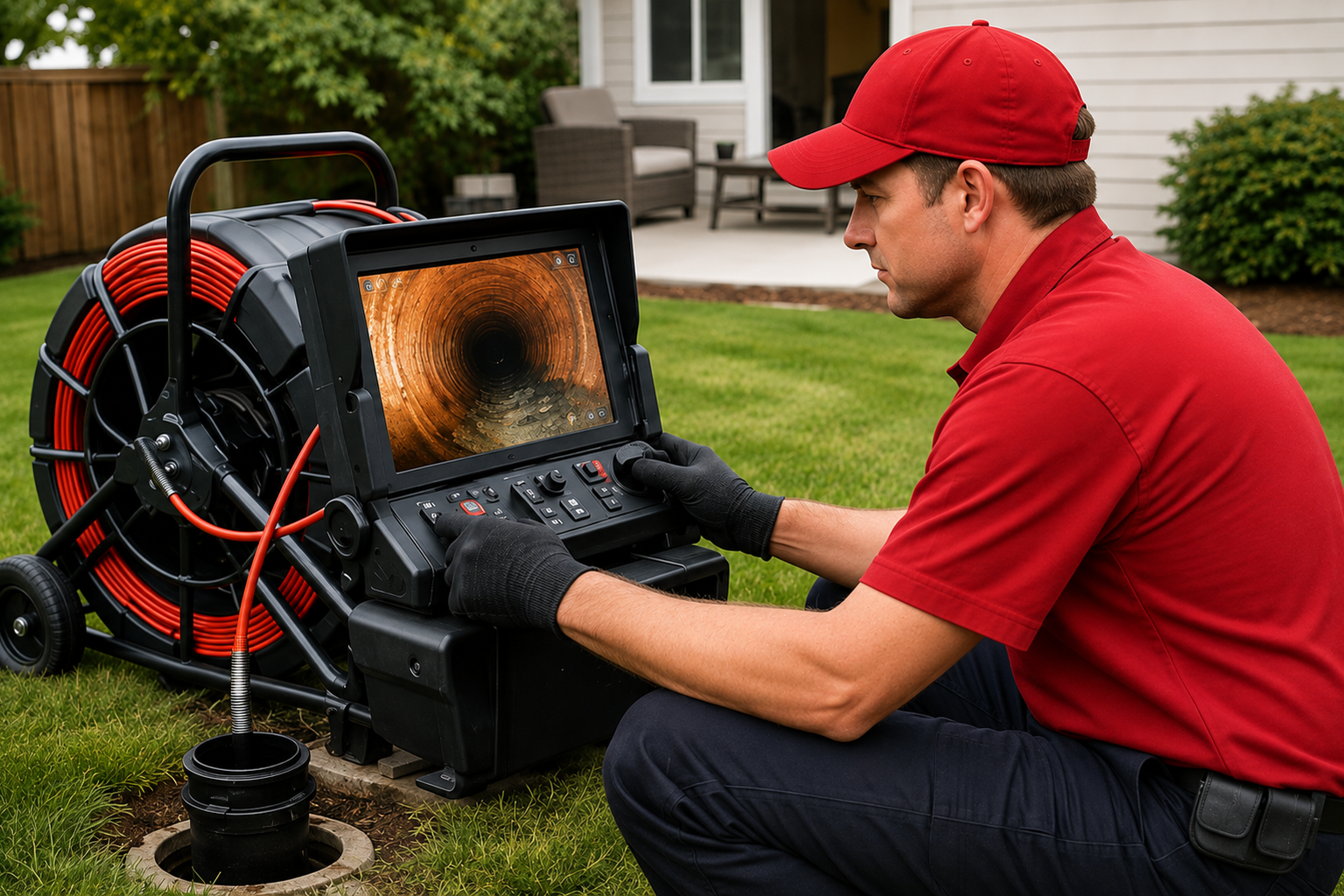
lateral provides. Roots do not break a sound pipe. They find a joint that has already opened
slightly with age, work through it, and thicken over years, which is why the same spot on an
old Fair Oaks lateral tends to back up again even after a snake clears it.
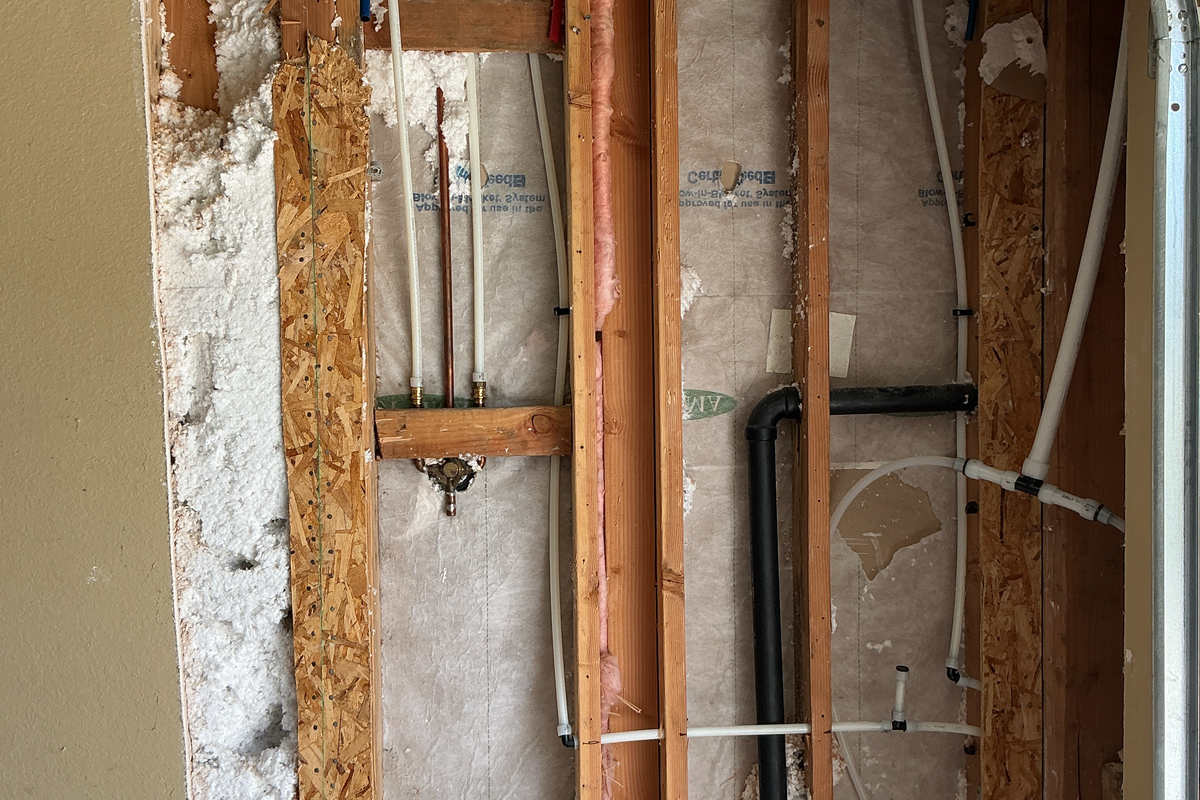
Supply lines from this era are just as often galvanized steel as copper, and galvanized
corrodes from the inside the same way cast iron does: pressure drops off slowly enough that
most homeowners assume it is normal until we run a flow test and show them otherwise. Our own
owner, Ben, has lived in Fair Oaks for years and has walked this exact combination, cast
iron lateral, galvanized supply, oak roots working a joint, on his own street more times than
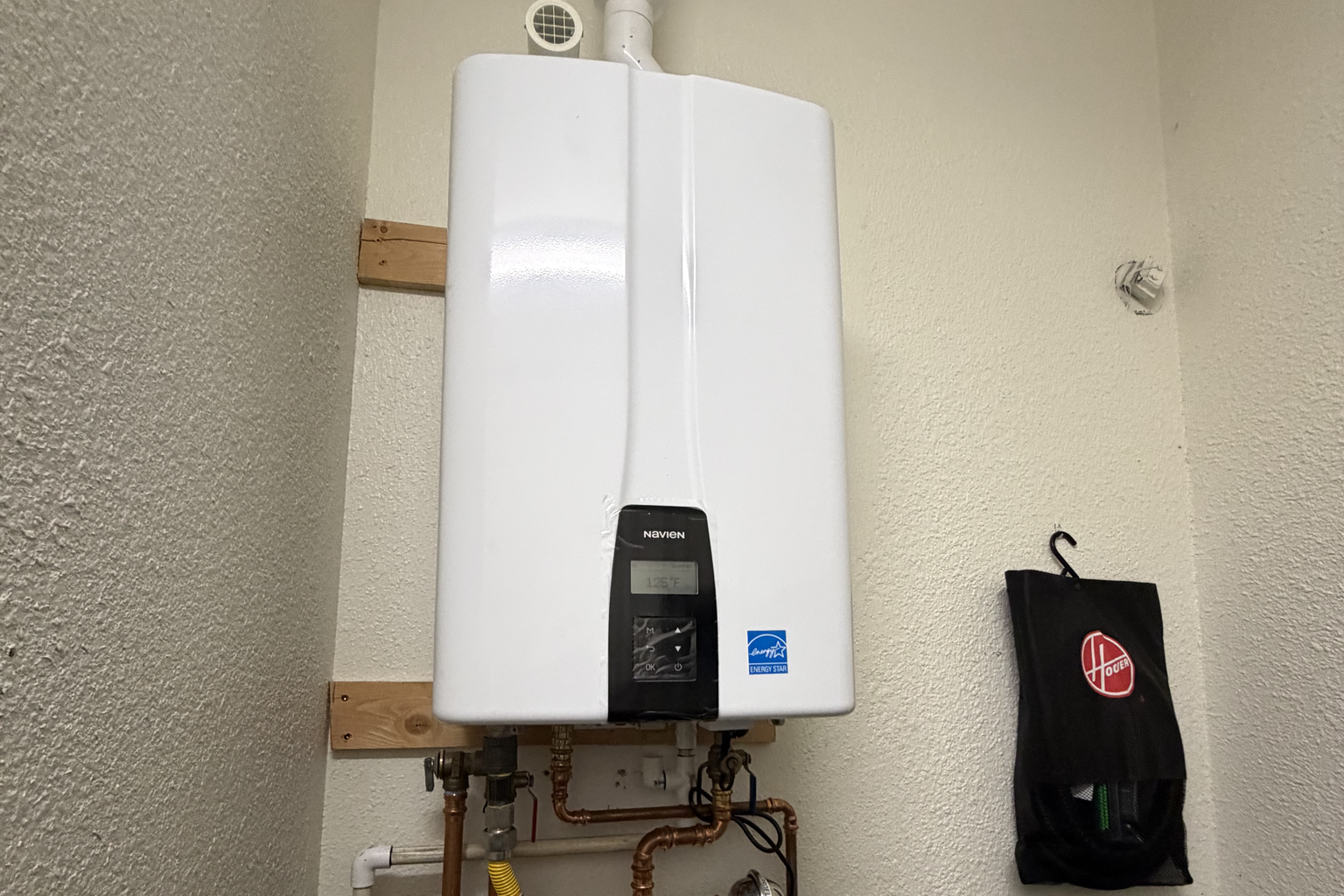
he can count. It is a large part of why tankless installation and repiping are the two
services we get called for most out here.