01What actually needs a permit
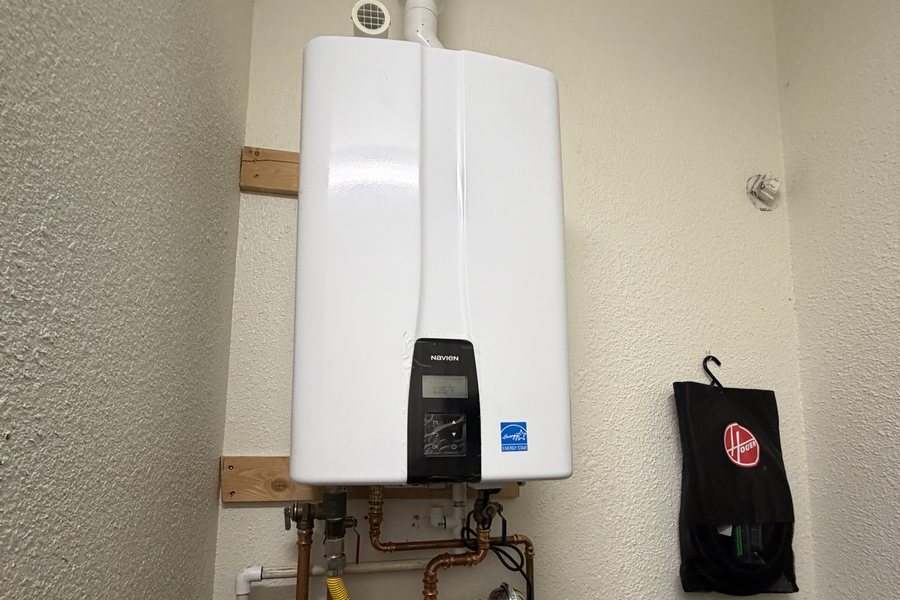
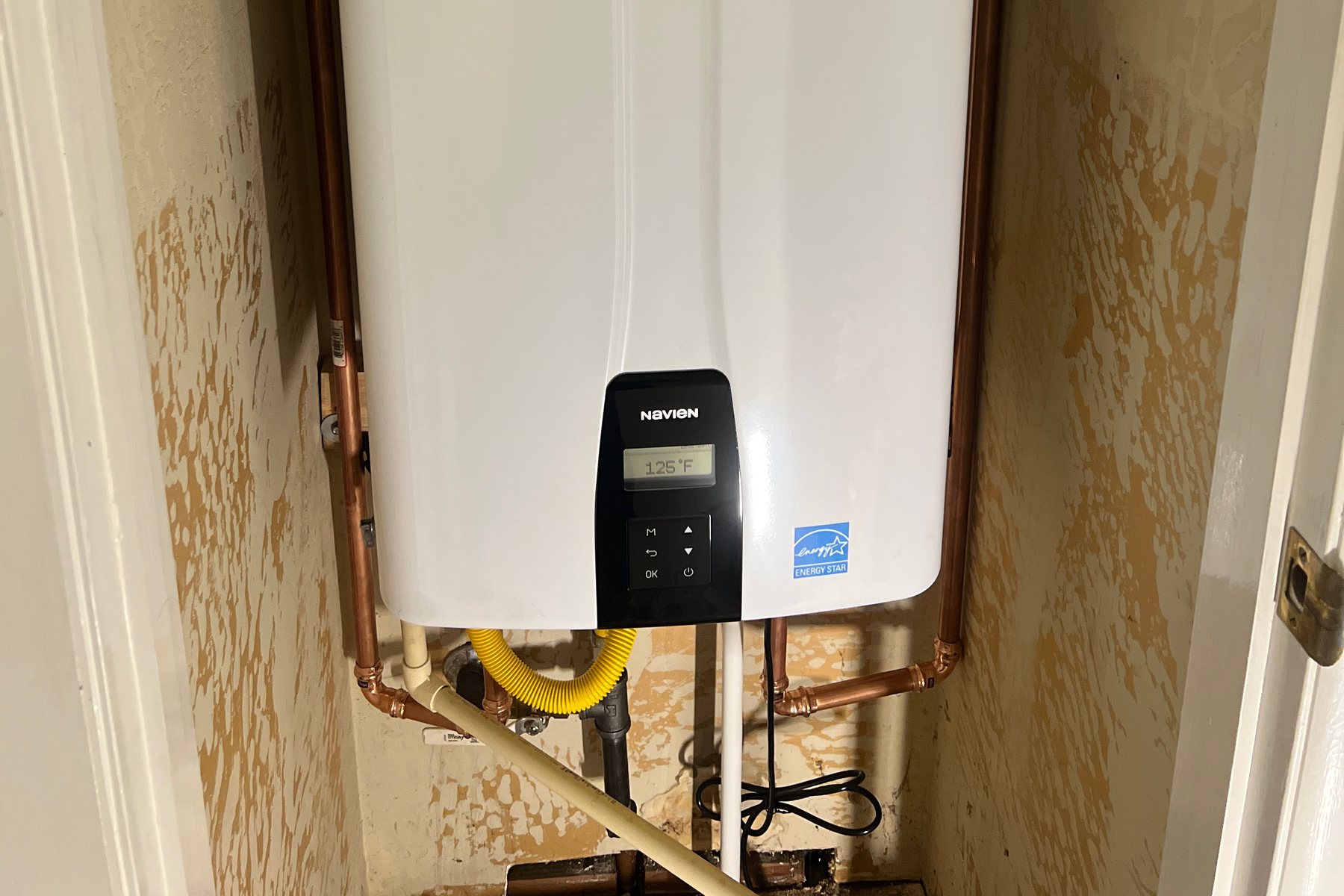
As a general rule, anything that changes the structure of your plumbing or gas system needs a permit: replacing a water heater, especially when it involves relocating it or changing the venting; a whole-home or partial repipe; sewer lateral replacement or major sewer repair; new gas line runs; and most work that involves opening a wall or the slab. Straightforward fixture swaps, a new faucet, a new toilet, a replacement garbage disposal, generally do not, since nothing structural changes and the connection points stay the same.
The honest answer for anything in between is to ask before assuming. County requirements have specific thresholds, and getting it wrong in either direction wastes time: pulling a permit for something that does not need one adds cost and delay for nothing, and skipping one for something that does creates the problems covered further down.
Gas line work deserves its own mention. Running a new gas line, upsizing an existing one, or relocating a gas appliance almost always needs a permit, because an inspector is verifying something that can genuinely hurt someone if it is wrong. This is one category where we would never suggest skipping the step even if a client asked.
02How the three counties differ
Sacramento, Placer, and El Dorado counties each run their own building department, and cities within those counties sometimes have their own permitting office layered on top. The categories of work that need a permit are broadly consistent across all three, but the application process, the forms required, and how quickly an inspector can get out to your site vary a little county to county and even season to season, since inspection scheduling gets busier in summer. We handle the applications directly and know which department each of our service cities routes through, so this is not something you have to sort out yourself.
El Dorado County's more rural jobs, particularly around Placerville and Cameron Park, sometimes involve septic considerations alongside the plumbing permit, which adds a step that a straightforward city job in Sacramento or Roseville would not have. Placer County's faster-growing cities, Roseville, Rocklin, and Lincoln, tend to have well-established digital permitting systems given how much new construction they process, which can actually make turnaround quicker there than in some older, smaller jurisdictions.
Ask every bidder whether their price includes the permit.
A bid that skips it is not actually cheaper, it is just missing a line item you will pay for eventually.
Book an Appointment03What it costs and how long inspection adds
Permit fees are typically a few hundred dollars, and the exact amount varies by county and by the type of job, since fees are usually tied to the scope and value of the work. Inspection scheduling adds time to a job's calendar even when the physical work itself is fast: expect anywhere from a few days to a couple of weeks between requesting an inspection and having someone out, depending on the county's current workload. We build that lag into the timeline we give you up front rather than letting it become a surprise partway through the job.
This is also where an unpermitted bid tends to look artificially attractive. A quote that leaves out the permit fee and the inspection wait looks faster and cheaper on paper, right up until the point where that gap becomes your problem instead of the contractor's.
04What skipping it costs you later
Unpermitted work does not usually cause a problem the day it is done. It causes one later, at the two moments it matters most: selling the house and filing an insurance claim. A home inspection or a title search can surface work that has no permit on file, which then either has to be retroactively permitted, sometimes requiring the wall to be opened again for inspection, or gets disclosed to the buyer as unpermitted, which affects negotiations. An insurance company investigating a water damage claim will ask whether the plumbing involved was permitted, and a claim tied to unpermitted work is a common reason for a denial or a reduced payout. Both situations cost far more than the permit fee would have. Our guide to the pre-purchase plumbing checklist covers what buyers and their agents should be looking for on this front.
We have also seen it work the other way: a homeowner selling a house with a properly permitted water heater and repipe on file uses that record as a selling point, because it answers a question a cautious buyer's agent would otherwise have to ask. A permit is not just a defensive measure. It is evidence you can put in front of someone.
05What a permitted job looks like start to finish
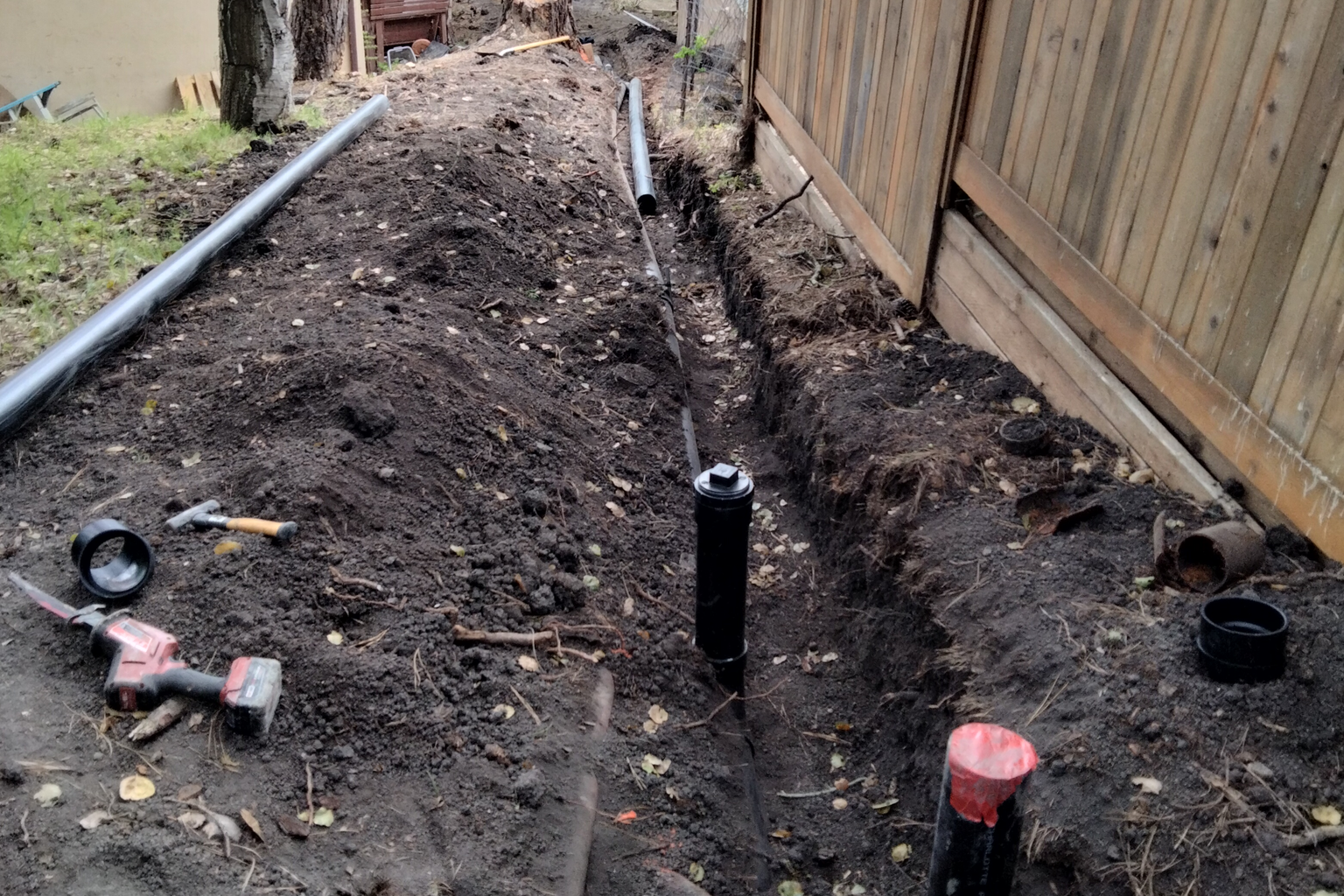
We apply for the permit before work starts, so the county has the job on file from day one. The work itself proceeds on the agreed schedule. Before anything gets closed up, an inspector reviews the completed work against code, and we schedule around their availability rather than working around it. Once it passes, we close the wall or backfill the trench, and the permit closes out with a public record that the job was inspected and approved. That record is what protects you later, whether "later" means a future sale or a claim you hope never to file. Our services page has more on how we scope and price permitted jobs, and if you are buying or selling in the area, our service area covers all three counties.
None of this is complicated from your side. You do not fill out the paperwork or track down the inspector's schedule. You get a job that is done, inspected, and on record, which is what a permit was always meant to prove in the first place.
06Frequently asked questions
Generally no. A new faucet, a new toilet, or a replacement garbage disposal doesn't change anything structural, so the connection points stay the same. Anything involving a wall, the slab, or a gas line almost always does need one.
The categories of work that need a permit are broadly consistent across all three, but the application process and inspection turnaround vary. We handle the applications directly and know which department each of our service cities routes through.
Typically a few hundred dollars, tied to the scope and value of the work. Inspection scheduling adds anywhere from a few days to a couple of weeks depending on the county's current workload, which we build into the timeline we give you up front.
It usually doesn't cause a problem the day the work is done. It causes one later, at resale or during an insurance claim, where unpermitted work can mean retroactive permitting, disclosure to a buyer, or a denied or reduced payout.