01What a standard inspection actually checks
A general home inspector runs water at every fixture, flushes toilets, checks for active leaks and visible water damage, and notes obvious code issues they can see without opening anything up. That is genuinely useful and worth having done. It is also, by design, a visual and functional check, not a diagnostic one. Nothing in a standard inspection puts a camera in a pipe, pressure-tests a line, or identifies pipe material behind a wall. Those require specialized equipment a general inspector does not carry, and in most cases it is explicitly outside the scope of what they are hired to do.
Read the inspection report's plumbing section closely and you will usually find language to this effect: fixtures were tested for function, visible leaks were noted, further evaluation by a licensed plumber is recommended for anything beyond the scope of a visual inspection. That last clause is doing a lot of work. It is the inspector telling you, in careful language, that the checklist below is on you to run.
02The sewer lateral: the surprise that costs the most
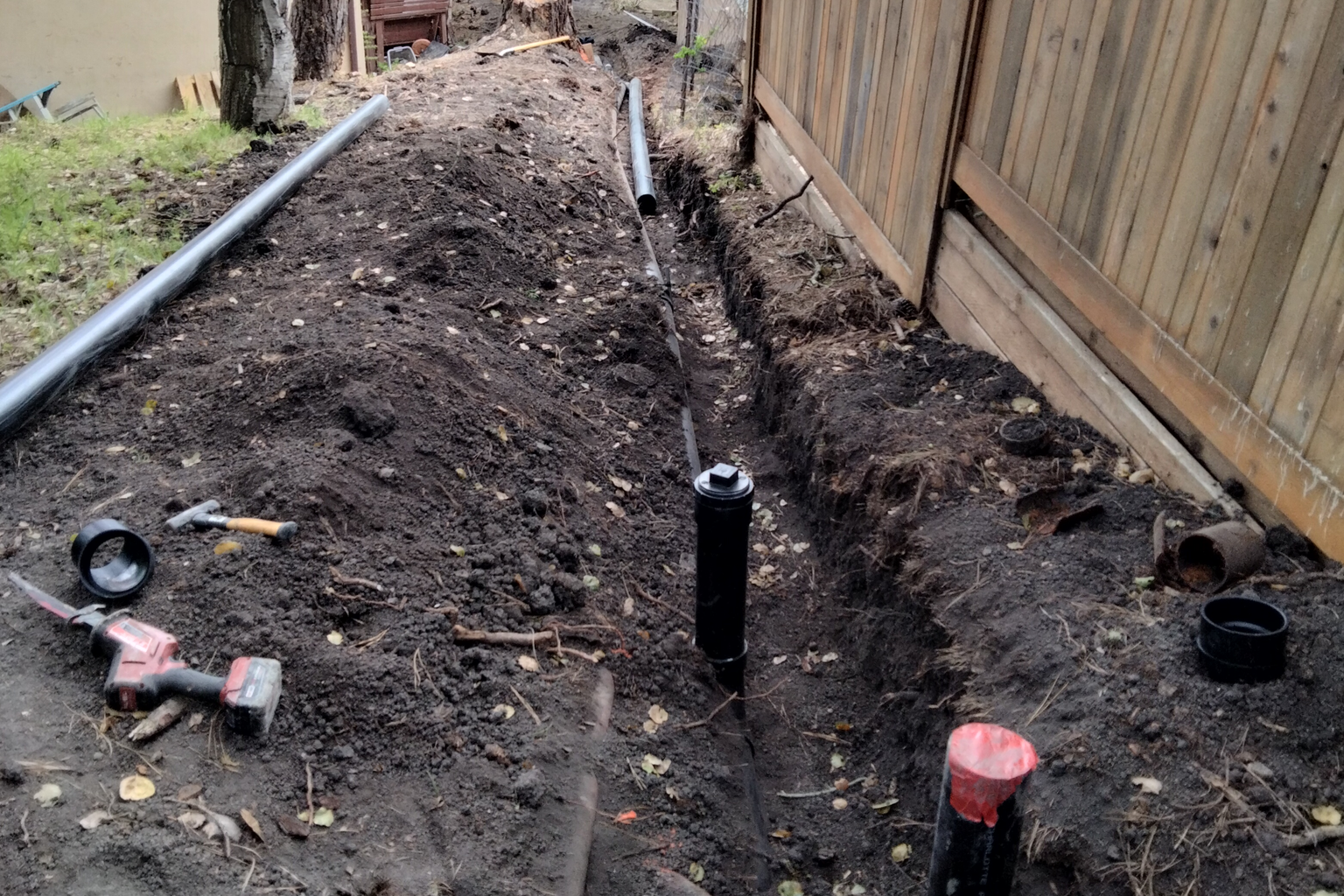
The sewer lateral running from the house to the street connection is never included in a standard inspection, and it is the single most expensive thing that can be wrong with a home's plumbing. A camera inspection runs a scope down the line and shows root intrusion, bellies, offset joints, or a collapsed section directly on screen. If the home is older, particularly with clay or cast iron construction, or has mature trees near the lateral's path, this is worth doing before you remove your inspection contingency, not after you own the problem. Our guide on sewer line replacement in older homes covers what a failing lateral actually looks like and what a fix costs.
A sewer line replacement is quoted in writing after a free estimate, driven by depth, length, and whether trenchless methods work on the specific site. That is a real number to know before you are the owner discovering a backed-up line the week after closing, rather than a buyer with negotiating room left. We have scoped lines for buyers under contract and found everything from nothing wrong to a collapsed section that changed the deal. Both outcomes are worth knowing before you sign.
03Water heater age and venting
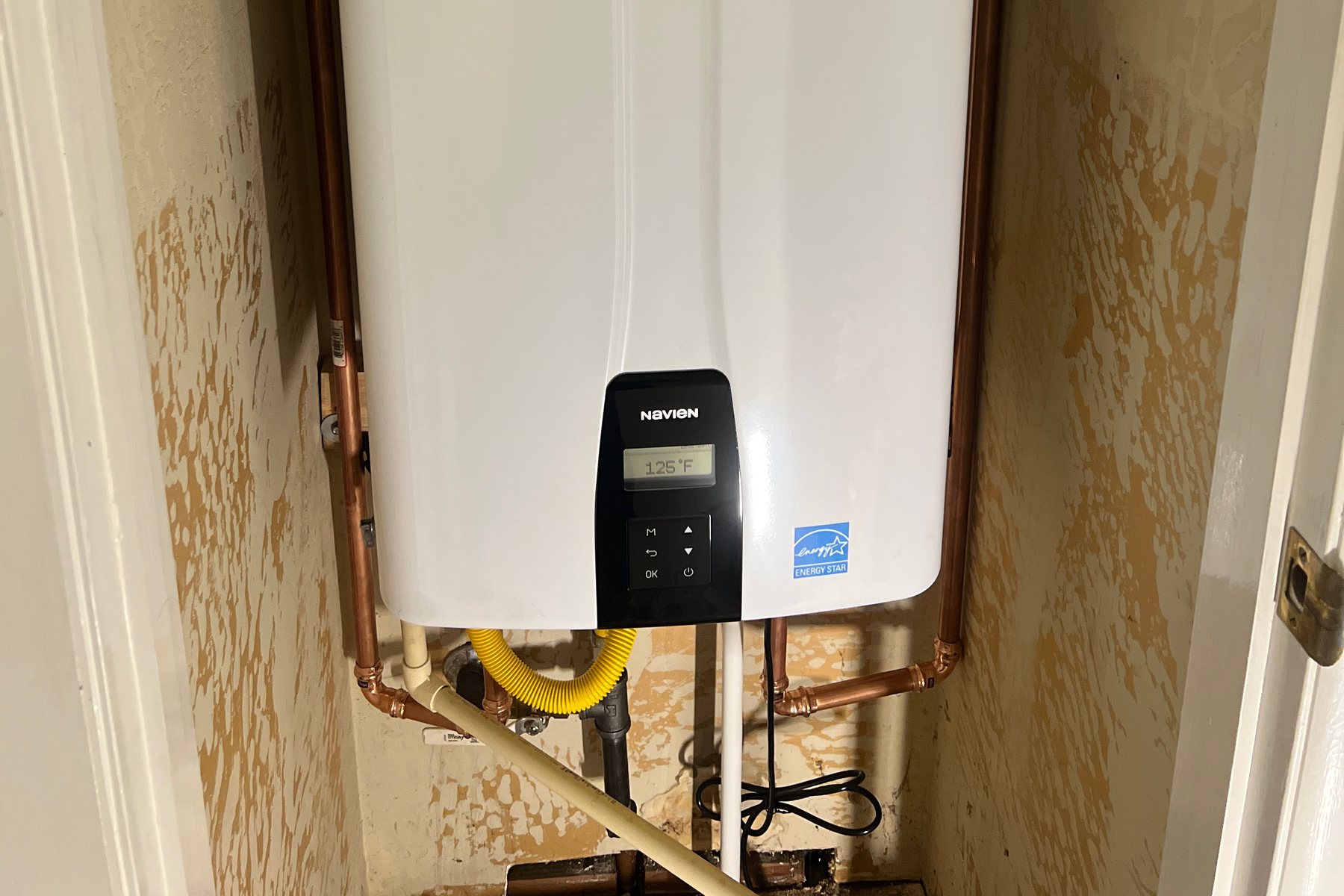
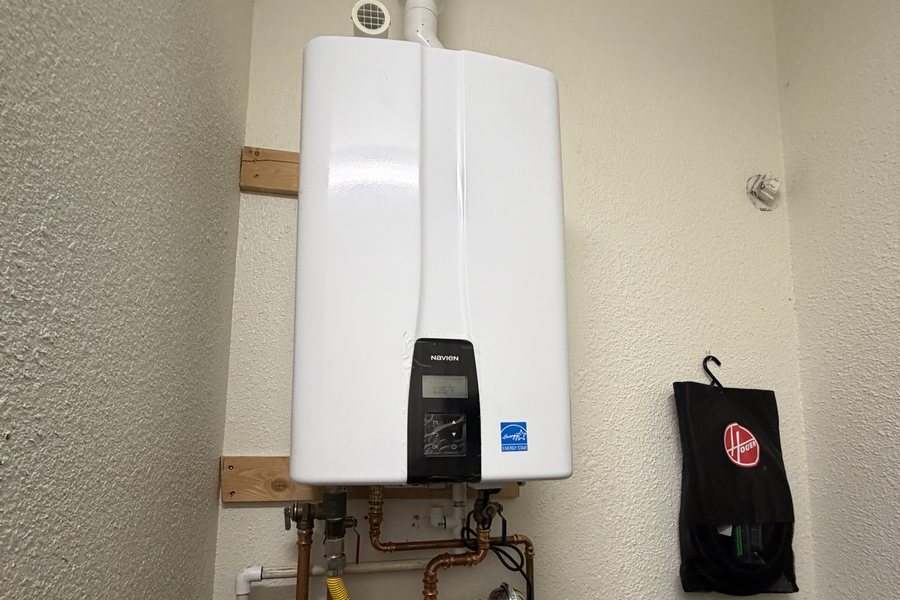
The manufacture date is stamped on a plate on the unit itself, not always obvious at a glance, and a standard inspection sometimes notes only whether it is currently working. A gas water heater nearing the end of a typical ten to fifteen year lifespan is a near-term cost even if it is functioning fine on inspection day. Venting is worth a look too: improperly vented or improperly sized venting is a safety issue, not just a maintenance one, and it is not always visually obvious to someone who is not specifically checking for it.
If the home already has a tankless unit, ask for service records. Isolation valves and a documented descaling history tell you whether the unit has been maintained for this area's water, or whether you are inheriting a unit that is quietly closer to failing than its age alone would suggest.
We can scope the sewer line before your contingency period ends.
Fast turnaround for buyers on a clock, with the footage shown to you directly.
Book an Appointment04Supply line material
What the supply lines are made of matters more than whether they are currently leaking. Galvanized steel and polybutylene both have known failure timelines, and a home with either one is looking at a repipe on a predictable horizon even if nothing is wrong today. A quick look at the pipe near the main shutoff, checking color, rigidity, and fitting style, tells you which material you are buying into. Our guide on the six signs you need a repipe covers how to identify the material in about two minutes.
Knowing the material before you close changes the conversation with the seller. A home priced as though the plumbing is unremarkable, sitting on original polybutylene, is a different negotiation than the same house with copper already in place. A whole-home repipe is quoted in writing after a free estimate and that is a number worth having in hand at the negotiating table, not discovered afterward.
05Pressure at the hose bib and shutoff valve condition
Water pressure at an outside hose bib is a fast, useful proxy for the condition of the supply lines feeding the house. Consistently low pressure across every fixture, confirmed at the hose bib, points toward narrowing pipe rather than a single bad fixture. It is also worth checking whether the main shutoff valve and the individual fixture shutoffs actually turn. A frozen or corroded shutoff valve is a small thing to note now and a genuinely bad time to discover during an emergency after you move in.
A pressure gauge that threads onto a hose bib costs very little and takes thirty seconds to read. Anything meaningfully outside a normal residential range is worth asking a plumber about before you assume it is nothing.
06What to do with this checklist
Run through this list yourself when you walk a property, and bring it to your agent's attention if any of it is unfamiliar to them. For anything you cannot check yourself, particularly the sewer lateral, the right next step is to book a pre-purchase sewer scope while you are still inside the inspection contingency period, not after close. We work with buyers across Roseville, Rocklin, and the rest of our service area on exactly this timeline, and a scope that turns up nothing is worth just as much peace of mind as one that finds something worth negotiating over.
If you are working with an agent who has not suggested this before, it is not a knock on them. Sewer scopes are still an underused step in this market, which is exactly why buyers who do it end up with better information than the other bidders on the same house.
07Frequently asked questions
No. The sewer lateral is never included, and it's the single most expensive thing that can be wrong with a home's plumbing. A camera inspection shows root intrusion, bellies, offset joints, or a collapsed section directly on screen.
While you're still inside the inspection contingency period, not after close. We work with buyers on exactly this timeline, and a scope that turns up nothing is worth just as much peace of mind as one that finds something worth negotiating over.
A quick look at the pipe near the main shutoff, checking color, rigidity, and fitting style, tells you which material you're buying into. Galvanized steel and polybutylene both have known failure timelines even if nothing is leaking today.
Ask for service records. Isolation valves and a documented descaling history tell you whether the unit has been maintained for this area's water, or whether you're inheriting one that's quietly closer to failing than its age alone would suggest.